5 Questions to Answer to make your plant AI - ready
(Water & Wastewater)
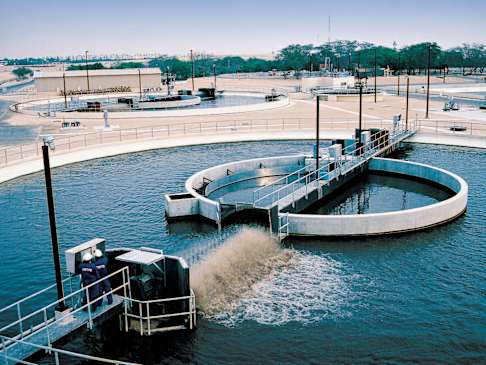
Overconsumption of energy and treatment chemicals are two big strains on water and wastewater utility operating expenses (OPEX), they also represent key areas where utilities can save. In fact, by reducing energy use alone, the USEPA estimates municipalities and utilities can save 15 to 30 percent on OPEX.
To see where you can start saving quickly, you’ll want to know:
• Your average annual flow (by gallons / year or m^3 / year) • Your estimated monthly or annual energy cost (by $ or kWh / month) • Your estimated monthly or annual chemical cost (by $ or load kg / month) • If you have a variable energy tariff structure
Investing in AI to improve the operational use of these resources can save you thousands of dollars in OPEX - usually with a payback period of only 6 months.
2. What is your plant’s process design? Knowing the unique characteristics of your plant will expedite the machine learning process so that you can quickly start realizing the cost-benefits of AI.
You’ll want to know:
• If you have dedicated power metering in place • If you have inlet/outlet or flow monitoring • If you can remotely control your system via SCADA
The more unique information you know about your site, the easier it will be to deploy an AI application that will learn from your system to begin optimizing processes.
3. What is your data infrastructure? Data is the fuel that helps an AI engine to run. An AI-ready plant will have a SCADA system in place, and a SCADA historian that will store data on plant operations.
Ideally, you’ll have 2 years of historical SCADA data. But if you don’t, AI can gather and iterate on current data. Security is crucial to effective data management, so make sure the AI solution you are evaluating follows standard security procedures.
5 Questions to Answer to make your plant AI - ready
WATER AND WASTEWATER
1. What are your key operating expenses that can be optimized?
1
2
Making your plant AI-ready
4. What are your compliance requirements? Being out of compliance for water quality standards have negative impacts on service and can lead to costly fees for water and wastewater treatment plants. With the complexity of variables that exist in plant operation, knowing your specific requirements for potable water and effluent quality are key to setting “constraints” on the AI. This keeps recommendations aligned to save costs, without putting compliance at risk.
5. Is your organizational culture open to innovation? Finally, bringing AI into an organization is a big step in a utility’s digital transformation. Market research forecasts significant investment in AI for water and wastewater utilities in the future, indicating that a true digital water evolution is underway. Ensuring that AI adoption aligns with your organization’s digital journey will only help you to be AI-ready.
Empowering water experts
Innovyze empowers water professionals around the world to create, manage, and maintain water services. We are the global leader in water infrastructure data analytics software, providing enduring support for customer success.
Call us today at +1 888 554 5022
Innovyze 6720 SW Macadam Avenue, Suite 150 Portland, OR 97203 United States. Copyright © 2019 Innovyze. All rights reserved
Do you want to bring AI into the fold? We can help.
2
Innovyze empowers water professionals around the world to create, manage, and maintain water services. We are the global leader in water infrastructure data analytics software, providing enduring support for customer success.
Call us today at +1 888 554 5022
About Innovyze
Innovyze 6720 SW Macadam Avenue, Suite 200 Portland, OR 97203 United States. Copyright © 2020 Innovyze. All rights reserved
Let’s Get Started
https://www.innovyze.com/en-us/contact