of data generated during factory construction goes unused
70%
of companies still rely on spreadsheets to develop and run their factories
Whether it's completely new or a retrofit of an existing facility, developing a factory is probably the largest single investment a company can make. However, many companies still plan, design, build, and operate their factories using processes that pre-date the internet.
So what would a modern, end to end factory process look like?
It would be built using common data, be highly collaborative, with predictable schedules and fewer surprises. Delivering more agility, with higher quality, at a much lower cost. Although each customer needs differ, the examples below are intended to highlight how organisations are delivering against their Digital Factory goals, by taking advantage of a connected end to end process.
PLAN
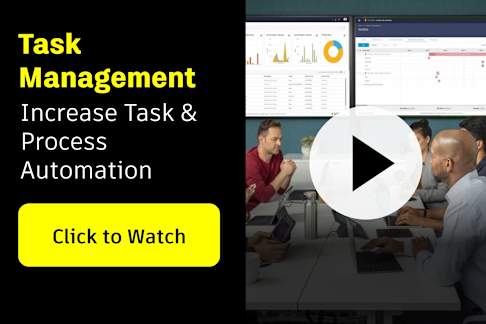
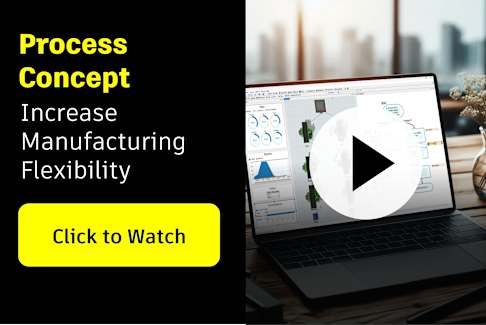
Before commencing factory design activities, Task Management is crucial to define timelines, allocate teams, understand workloads, and distribute tasks effectively. Creation of initial layouts and simulations using a Process Concept, enables decisions to be made faster with more confidence. Whilst if the site being constructed or redeveloped lacks accurate records, capturing the as-is state using Reality Capture becomes essential for informed decision-making and successful project execution.
DESIGN
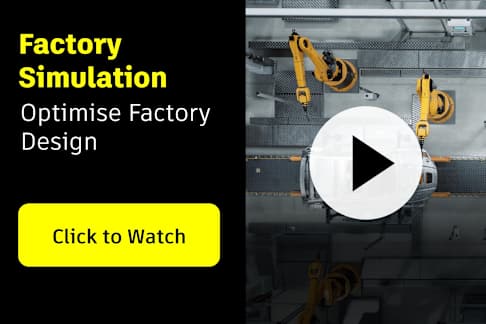
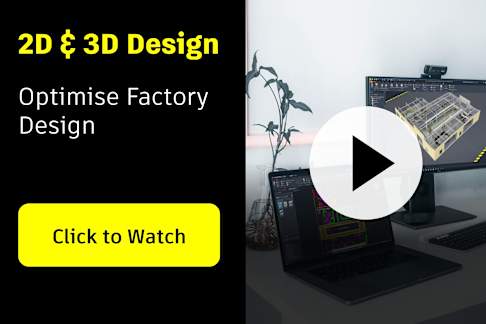
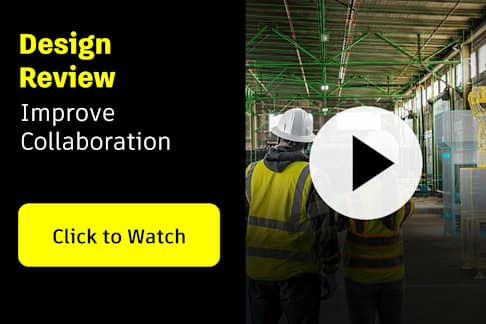
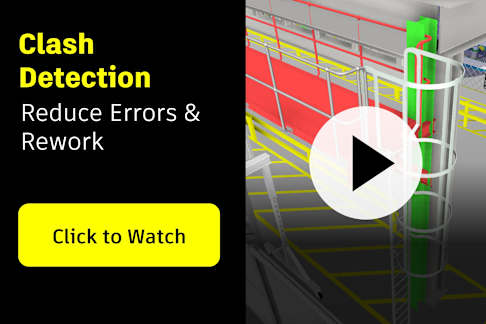
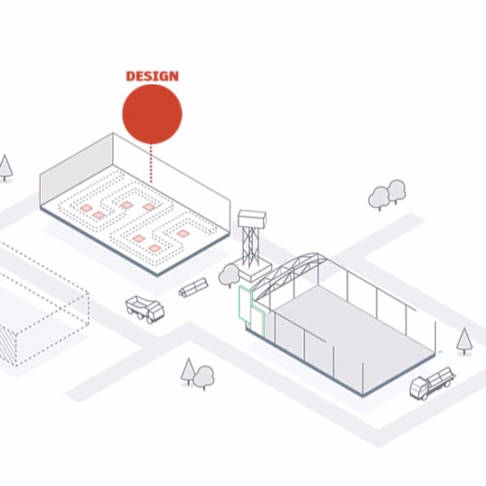
Once the space envelope is defined and the process agreed upon, detailed design can commence. A more detailed design, incorporating both 2D and 3D Design, allows for a better understanding of all the moving parts, enabling optimizations before on-site work begins. Given that Design Collaboration with third parties is often integral to any project, coordinating this information becomes critically important. With numerous disciplines potentially generating model data, identifying fitment issues with Clash Detection early in the design process can help reduce costly mistakes. Additionally, Factory Simulation and Design Review are essential for building stakeholder confidence and fostering collaboration, as they provide a platform for stakeholders to review the design and offer feedback before construction.
BUILD
Organizations aim to connect the office to the site to streamline constructability, ensuring that progress is documented and monitored for transparency across all teams involved. Effective site management is crucial, as it allows for real-time Progress Monitoring and Issue Management. When issues arise, they can be promptly captured and communicated, overcoming traditional barriers that often hinder project success.
OPERATE
Future successful management of a facility hinges on the accurate data handed over from previous stages. Information generated during the design stage is invaluable for navigating complex data providing a foundation for Connected Assets linking to other sources of data, from Maintenance to asset management. Once the facility becomes operational, the organization can leverage this connected data to gain visibility and control over the production process, ensuring efficient and effective Production Management.
Digital Factory Benefits
according to industry analysts like Deloitte and Mckinsey
86%
believe Digital Factory will be the main driver of competitiveness over the next five years.
Source: Deloitte
10 - 30%
increase in throughput by maximizing operational productivity, alleviating waste, reducing equipment downtime, avoiding disruptions, and increasing supply chain efficiency.
Source: McKinsey & Company
30% - 50%
percent reductions in machine downtime.
Source: McKinsey & Company
Porsche
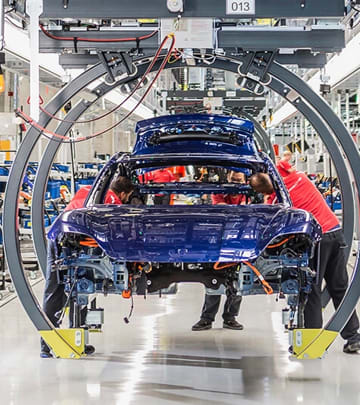
"In the model, all designers, planners, and suppliers speak the same language—it’s like a kind of symphony where people meet and everything comes together" Till Moczarski, Porsche Taycan Factory Project Manager Image courtesy of Porsche AG.